Modern Professional Business Card Design: Elevating Brand Identity in the Digital Age
In a world where digital interactions often dominate, the humble business card still holds a powerful place in professional networking. A well-designed business card can serve as a memorable physical touchpoint that reinforces your brand and leaves a lasting impression. Enter Modern Professional Business Card Design, which blends aesthetics with functionality to meet today’s evolving business needs. Whether you’re an entrepreneur launching a startup, a freelancer building a personal brand, or a corporation updating its image, modern design templates offer a streamlined way to create impactful cards that reflect professionalism and creativity.
What Defines a Modern Business Card Design?
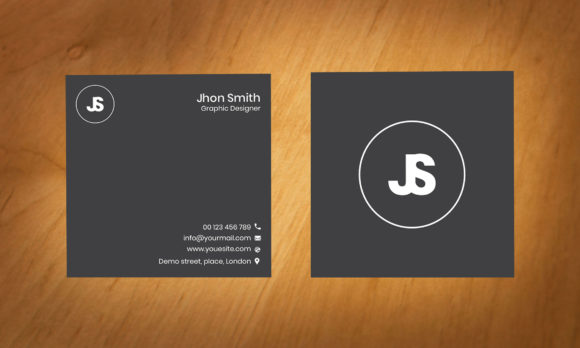
A modern business card design is characterized by clean layouts, minimalistic elements, bold typography, and strategic use of negative space. Unlike traditional designs that might rely on excessive text or outdated formatting, modern cards prioritize clarity and visual appeal. The goal is to convey essential information quickly while aligning with the latest branding and design trends.
One key aspect of modern business cards is their adaptability. With fully editable templates, users can customize every element—from colors and fonts to backgrounds and layout structures. This flexibility ensures that the final product accurately represents the individual or company it serves.
Why Modern Business Cards Matter Today
Despite the rise of digital communication tools, business cards remain relevant for face-to-face meetings, conferences, and events. In fact, many professionals are now using them more strategically than ever before. A sleek, modern design can differentiate you from competitors and make your contact details more likely to be remembered.
Consider how much people see these days—ads, emails, social media posts. Your business card must stand out visually and functionally. It should not only look good but also feel good in hand. High-quality materials, precise printing, and thoughtful design all contribute to this experience.
The Shift Toward Customization and Print Readiness
Today’s professionals demand efficiency and quality. That’s why many choose print-ready business card templates. These files are pre-formatted with correct dimensions and bleed settings, ensuring a smooth transition from screen to print. No more guessing what will work when sending your design to a printer—you get a file that’s ready to go.
For those who prefer working in Adobe Photoshop, having a Photoshop PSD file gives you full control over layers and elements. You can tweak specific parts without affecting others, making the customization process seamless. Additionally, including a Jpeg file allows for quick sharing and previews, especially if you need to send a draft via email or show it on a website.
Key Features of a Modern Business Card Template
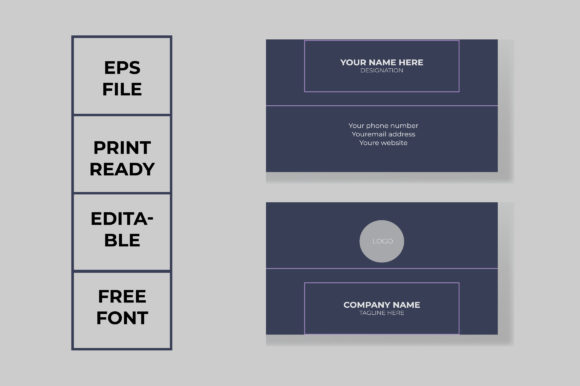
- Easy Customizable and Editable: No design skills required. Simply open the template and update the content, color scheme, and background to suit your brand.
- Print Ready File: Ensures your business card looks exactly as intended once printed, avoiding common errors like incorrect sizing or low resolution.
- Photoshop PSD File: Offers layer-based editing for designers who want to fine-tune every detail.
- Jpeg File: Provides a high-resolution preview option for non-designers or quick digital sharing.
- Free Font Used: Makes it easy to edit the text without worrying about font licensing issues.
- Standard Size 3.5×2 Ratio: Fits most printers and card holders, maintaining consistency across different uses and industries.
These features collectively make it easier for individuals and businesses to maintain a polished, cohesive brand identity at a fraction of the cost of hiring a designer.
Design Trends Shaping Business Cards in 2024
Several design trends are influencing the way professionals approach business cards:
- Minimalism: Clean lines, limited color palettes, and uncluttered layouts help focus attention on the most important elements: name, title, and contact info.
- Brand Consistency: Modern business cards integrate logo placement, brand colors, and typography that match other marketing materials, creating a unified presence.
- Material Innovation: Beyond paper, some opt for textured materials, eco-friendly options, or even metallic finishes to add tactile appeal.
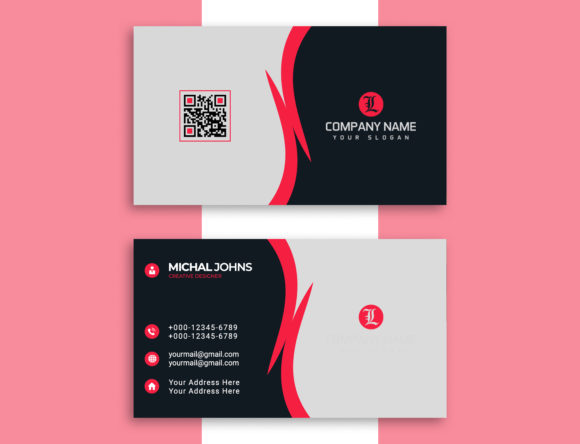
- Digital Integration: QR codes linking to websites, portfolios, or LinkedIn profiles are becoming popular, merging physical and digital engagement.
These trends highlight how business cards have evolved beyond just a piece of paper into a strategic tool that reflects both professionalism and innovation.
How to Choose the Right Modern Business Card Template
Selecting the right template starts with understanding your brand identity and target audience. For instance, a tech startup might favor a sleek, monochromatic design with subtle gradients, while a creative agency could embrace vibrant colors and abstract shapes.
Look for templates that include multiple layout options so you can experiment with different styles. Also, ensure the template includes guidelines for margins, text alignment, and safe zones—these are crucial for print accuracy. A free font used in the template is another bonus, as it prevents any confusion during the editing process and keeps costs down.
If you're unsure where to start, consider downloading a modern business card design template that offers a balance between simplicity and sophistication. These templates are built with scalability in mind, meaning they can be adapted for different roles within your organization or for various campaigns and projects.
Practical Implications for Businesses and Individuals
Using a modern business card design template isn’t just about looking good—it's about enhancing your professional presence. Here’s how it can benefit you:
- Time Efficiency: Skip the back-and-forth with designers and finalize your card in minutes using an intuitive, editable format.
- Cost Savings: Avoid expensive custom design fees by using affordable, pre-made templates that still deliver high-end results.
- Consistency Across Platforms: Use the same brand elements (colors, fonts, logos) in your online presence and printed materials for stronger recognition.
- Flexibility for Multiple Uses: Many templates allow for variations, such as front and back designs, event-specific cards, or bilingual versions.
For small businesses or solopreneurs, a modern design can elevate credibility and help establish trust with potential clients or partners. It’s a simple yet effective investment in your professional image.
Real-World Examples and Recommendations
Let’s say you run a boutique marketing agency. Using a modern business card design template with a minimalist layout and a QR code linking to your portfolio site can instantly communicate professionalism and forward-thinking values. The ability to change the background color or upload a custom logo makes it easy to keep your brand up-to-date with seasonal or campaign changes.
Another example could be a freelance graphic designer who wants to showcase their versatility. By using a multi-panel template that highlights different project types or services, they can turn a standard business card into a mini marketing tool. Since the template is easy customizable and editable, they can tailor each version to fit different client demographics or industry niches.
We recommend starting with a template that has a 3.5×2 inch ratio, as it remains compatible with most printing services and cardholders. Ensure that the design supports CMYK color mode for accurate printing, and always double-check the resolution before sending the file to print.
Integrating Technology and Creativity
With advancements in printing technology and software tools, creating a professional business card has never been easier. Many templates come with smart objects in Photoshop, allowing for drag-and-drop logo insertion. Others feature layered components that let you adjust text sizes, shapes, and images independently.
This level of customization means that even those without advanced technical skills can produce something that looks professionally made. Plus, the inclusion of multiple file formats like Photoshop PSD and Jpeg ensures compatibility across platforms and workflows.
Conclusion
While digital-first strategies continue to grow in importance, the physical business card remains a valuable asset for personal branding and professional networking. A modern professional business card design doesn’t just catch the eye—it communicates competence, confidence, and clarity.
By leveraging print-ready templates and taking advantage of the latest design tools, anyone can create a business card that stands out in both form and function. Whether you're attending a networking event or handing one out at a pop-up shop, your card becomes an extension of your brand—one that’s both memorable and meaningful.
Invest in a modern business card design template today and take your first step toward leaving a lasting impression in the real world.