Social Media Post for Food Menu Design
Creating a compelling social media post for food menu design is more than just showcasing your dishes—it's about crafting an experience that entices, informs, and engages your audience. Whether you're launching a new restaurant, managing a café, or simply sharing your passion for culinary art with followers, the visual appeal of your menu can significantly impact how your brand is perceived online.
What Is a Social Media Post for Food Menu Design?
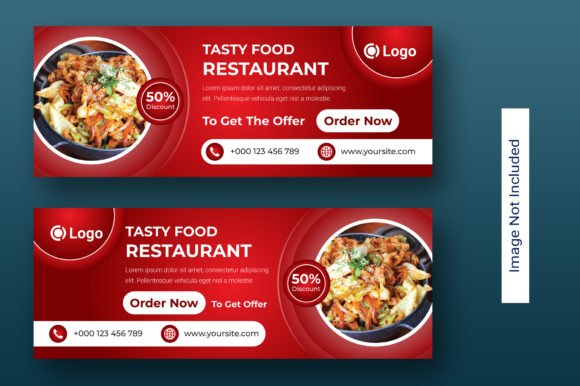
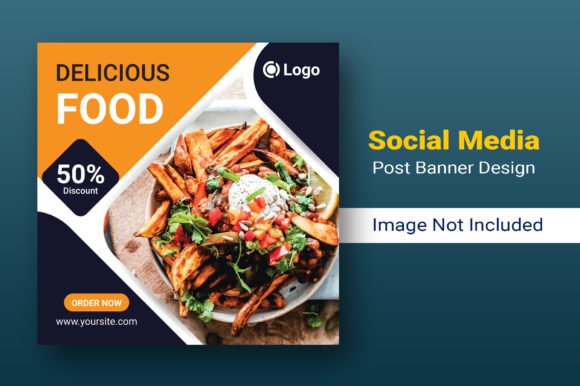
A social media post for food menu design is a visually appealing graphic created specifically to present a restaurant or food business’s offerings on platforms like Facebook, Instagram, Twitter, and LinkedIn. These posts are designed to be eye-catching, easy to read, and optimized for mobile viewing, ensuring that users can quickly grasp what's available without being overwhelmed by clutter.
Such designs often include high-resolution images of dishes, clear pricing, and branding elements that reflect the personality of the business. They are typically made using tools like Adobe Photoshop or Illustrator and come in formats such as EPS, which allows for full scalability and editing flexibility. The best templates are also well-organized with layers, making it simple to update content or adjust visuals without starting from scratch.
Why Different Audiences Care About It
The value of a good food menu design on social media varies depending on who you are and what you need. Here's how different groups might see its importance:
- Restaurant Owners & Entrepreneurs: A professional-looking menu post builds credibility and encourages engagement. It helps attract potential customers and even investors when shared on LinkedIn or other business-oriented platforms.
- Marketing Professionals: For marketers, these posts are strategic assets. They can drive traffic to websites, increase event sign-ups, or highlight seasonal promotions through visually driven storytelling.
- Creative Designers & Content Creators: These individuals look for fully editable and organized templates that allow them to customize every detail—from fonts to colors—without compromising quality.
- Food Bloggers & Influencers: Sharing attractive menu graphics adds authenticity to their posts and can help promote local eateries or pop-up events to their followers.
- Consumers & Food Enthusiasts: Eye-catching menu designs spark interest and make dining decisions easier. They’re also great for saving favorite restaurants or sharing recommendations with friends.
For Beginners: Start Simple, Stay Organized
If you're new to designing social media content, choosing a template with easy-to-edit layers and a well-organized structure can save you hours of frustration. Look for templates that use free fonts so you don't have to worry about licensing issues. Even if you're not a designer, a clean layout with bold headings and vibrant colors can help you create a post that looks professional and draws attention.
Example: A small bakery owner who has no prior design experience could use a pre-made menu template with placeholders for items like "Cinnamon Rolls – $4" and "Scones – $3.50." By swapping out text and adding product photos, they can create a consistent feed that highlights their daily specials.
For Experienced Users: Prioritize Flexibility and Creativity
Professionals and experienced designers will likely care more about the flexibility of the template. Features like full editability and EPS file support let them tweak every element, from spacing to color schemes, while maintaining high resolution. They may also prefer templates that offer multiple variations suitable for each platform, ensuring their message stays cohesive across all channels.
Example: A digital marketing agency might use a menu design template to create a series of posts for clients across various platforms. With a layered EPS file, they can easily modify the layout for Instagram Stories versus a static Facebook post, tailoring the design for optimal visibility and user interaction.
For Educators and Freelancers: Focus on Learning and Long-Term Use
Educators teaching graphic design or digital marketing courses might find these templates valuable as learning tools. They can demonstrate how layer organization, font choices, and color theory contribute to effective design. Similarly, freelancers looking to expand their portfolio may appreciate having access to a reliable, high-quality design that they can adapt for different clients.
Example: A design instructor could walk students through the process of customizing a menu template, showing how adjusting hues or contrast can change the overall mood of the post. This hands-on approach makes the learning experience practical and engaging.
For Small Business Owners: Balance Cost and Commercial Value
Small business owners are often focused on maximizing ROI. A social media menu post should do more than look good—it needs to convert views into visits. High-quality, scalable designs that align with your brand image are essential. Since image files aren’t included in many templates, investing in a few good stock photos can elevate your post significantly and justify the cost.
Example: A food truck operator might use a menu post on Instagram to showcase their daily lunch specials. By including mouthwatering images of their dishes and using bold, contrasting colors, they can generate buzz and direct traffic to their location during peak hours.
How to Choose the Right Template for Your Needs
When selecting a social media post for food menu design, consider the following factors based on your role and goals:
- Beginners: Opt for templates with intuitive layouts and minimal design complexity. Look for those labeled “easy to edit” and check that all layers are clearly named and separated.
- Professionals: Prioritize templates that are fully customizable and support advanced editing features. Make sure they work across different resolutions and aspect ratios for cross-platform consistency.
- Business Owners: Focus on commercial value. Does the design encourage clicks? Can it be reused for weekly promotions? Ensure it supports your branding and reflects the tone of your business.
- Freelancers: Choose templates that are versatile and can be adapted for multiple clients. A strong foundation with high-quality design elements can streamline your workflow and improve client satisfaction.
- Marketers: Consider how the template fits into your broader strategy. Will it support call-to-action phrases like “Order Now” or “Limited Time Offer”? Can it integrate with your website or QR codes?
Key Features to Look For
Here are some key features that make a social media menu post truly effective:
- Fully Editable Layers: This makes customization straightforward, especially for beginners or those who frequently update their menu.
- High Resolution: Ensures the post looks sharp on any device, from smartphones to desktops.
- Eye-Catching Colors: Bright, appetizing palettes can make your menu stand out in crowded feeds.
- Free Fonts Used: Reduces legal risks and keeps costs low, especially important for budget-conscious creators.
- Platform-Specific Variations: Some templates come with versions tailored for Facebook, Instagram, and Twitter, helping maintain a cohesive brand presence across all channels.
Real-World Applications Across Platforms
Different platforms require different approaches to visual content. Here's how a single food menu design can be adapted effectively:
Instagram favors vertical images with high impact. A menu post here might feature bold typography and a single dish photo to draw attention. Carousels can be used to display multiple items or categories, keeping the viewer engaged longer.
On Facebook, you might go for a slightly larger format that includes more information. A horizontal layout could show off a complete meal setup or a table setting, giving context to the dining experience.
Twitter users scroll quickly, so clarity and speed matter most. A minimalist design with quick-read elements and a clear CTA (like “Click for full menu”) works best here.
LinkedIn is where professionalism meets presentation. A menu post here might be more refined, perhaps highlighting sustainability efforts or chef collaborations, alongside the menu itself.
Is This Right for You?
To determine whether a social media post for food menu design fits your needs, ask yourself a few questions:
- Do I want to share my menu regularly on platforms like Instagram or Facebook?
- Am I looking for something easy to update without needing advanced design skills?
- Will this help me connect better with my target audience or strengthen my brand identity?
If you answered yes to any of these, then a thoughtfully crafted menu design could be a powerful tool for you. Remember, the right design isn't just about aesthetics—it's about creating a lasting impression that aligns with your goals and resonates with your audience.
Final Thoughts on Social Media Post for Food Menu Design
Whether you're a seasoned designer or someone just starting out, a well-designed social media menu post can elevate your brand and enhance customer interaction. Its usefulness depends on your priorities—be it ease of use, flexibility, or long-term brand consistency. By understanding how different audiences perceive and use these designs, you can choose a template that best serves your unique needs and objectives.