Easter Party Menu Card: A Creative and Practical Way to Elevate Your Celebration
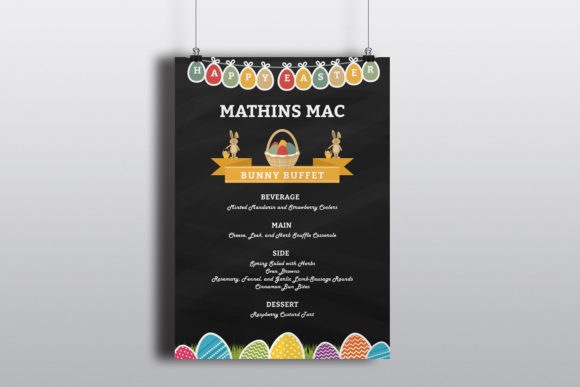
Hosting an Easter party can be a delightful experience, but one of the most overlooked elements is how you present your menu. An Easter Party Menu Card is more than just a list of dishes—it’s a visual representation of your event's theme, flavor, and creativity. With the right design, such as a Chalkboard Style Easter Food Menu Template, you can enhance the atmosphere of your celebration and set clear expectations for your guests. This article will guide you through everything you need to know about choosing, using, and customizing an Easter Party Menu Card effectively.
Why Choose a Chalkboard Style Menu?
The chalkboard style has become a popular choice for events due to its rustic charm and customizable appeal. It offers a warm, homey feel that complements traditional Easter gatherings or modern springtime celebrations. Whether you're hosting a family brunch or a themed dinner party, a well-designed Easter Party Menu Card in this format can add a personal touch while also being highly functional.
One of the main reasons people opt for this template is its instant download availability. Unlike printed materials that require time and cost, digital downloads allow for quick setup and adjustments. The included files (Photoshop CS2, Photoshop Elements, and Microsoft Word) make it easy to tailor the menu to your preferences, ensuring it aligns with your event’s color scheme, font style, and overall aesthetic.
Common Mistakes When Choosing an Easter Party Menu Card
While these templates are convenient, many users make avoidable mistakes that can impact their final results. Here are some common pitfalls:
- Ignoring resolution and size specifications: Downloading a low-resolution image can lead to poor print quality. Always confirm that the file is at least 300 dpi and in CMYK color mode for professional printing.
- Not checking bleed requirements: If you plan to print the menu card, ensure the template includes a 0.25-inch bleed area to prevent unwanted white borders after trimming.
- Using incompatible software: Some templates may not work correctly if you don’t have the required version of Photoshop or Word. Make sure the provided files are compatible with your software before purchasing.
- Overlooking font licensing: Many designers include custom fonts in their templates. If the font isn't free for commercial use, you could face legal issues. Look for templates that provide clear font licensing details or offer alternative options.
How These Mistakes Can Impact Your Event
A poorly executed menu card might seem like a small detail, but it can significantly affect your guest experience. For example:
- If the text is blurry due to low resolution, guests may struggle to read what they’re eating—leading to confusion and a less polished presentation.
- Incorrect bleed settings can result in unprofessional-looking trim lines, which detract from the overall design and leave a negative impression.
- Trying to open a .psd file without the correct Photoshop version can cause formatting errors, forcing you to start over or settle for a subpar layout.
- Using unauthorized fonts might land you in hot water if you later discover they aren’t suitable for commercial use, especially if you're planning to sell printed versions or share them online.
Practical Tips for Avoiding Errors
To ensure your Easter Party Menu Card looks great and functions well, follow these best practices:
- Verify technical specs: Before downloading, check that the template meets your needs—A4 size, 300 dpi resolution, and CMYK color mode are standard for high-quality prints.
- Review file compatibility: Confirm whether you can open and edit the template with your current software. Most modern versions of Photoshop should handle CS6 files, but older ones might not.
- Check font usage rights: Look for templates that include legally usable fonts or clearly state where you can download them for free. If unsure, reach out to the seller for clarification.
- Edit carefully in Word: While Word files are user-friendly, they may lack advanced design features found in Photoshop. Use them for simple edits, and consider using Photoshop for more intricate customization.
Realistic Examples of Better Approaches
Let’s look at two contrasting scenarios to highlight the difference between good and bad choices:
Scenario 1: Sarah wants to host a casual Easter lunch for her friends. She buys a menu card template but doesn’t verify the resolution. After printing, she realizes the text is pixelated and unreadable. Her guests end up guessing what dishes are on the table, and the overall presentation feels rushed.
Better Approach: Sarah checks the product description thoroughly, confirms the resolution and color mode, and even asks the designer a question via the “Contact Me” option. She makes minor edits in Word and prints the menu at a local shop. The result? A clean, legible, and stylish menu that impresses her guests and simplifies the dining experience.
Scenario 2: John downloads a Photoshop .psd file but uses an outdated version of the software. He ends up with missing layers and can’t adjust the colors or fonts as intended. Frustrated, he spends hours trying to fix it and ends up with a generic-looking menu.
Better Approach: John reads the help file included with the template and finds the recommended software version. He updates his Photoshop and follows the step-by-step instructions for editing. The final menu reflects his personal style and enhances the festive mood of the party.
What to Check Before Making a Decision
Before purchasing or downloading an Easter Party Menu Card template, take a moment to evaluate the following:
- Does the template support your preferred editing tools?
- Is there a detailed help file included to guide you through the customization process?
- Are all fonts either embedded or available via a legal download link?
- Can you easily modify the content, colors, and layout without compromising quality?
- Does the seller offer customer support or a way to request customizations?
These factors will save you time and frustration, especially if you’re new to working with digital design files. Always prioritize clarity and usability over aesthetics alone.
Customization and Support
Many creators overlook the value of good customer service when selecting templates. If you want something unique or encounter difficulties during the editing process, having access to the designer can be incredibly helpful. The Chalkboard Style Easter Food Menu Template comes with a “Contact Me” option, allowing you to ask questions or request a custom design tailored to your specific needs.
Don’t hesitate to reach out. A responsive creator can help you avoid costly mistakes and ensure your menu looks exactly how you envision it. Additionally, leaving a positive review or recommending the artwork can support independent designers and improve your chances of receiving excellent service in the future.
Final Thoughts on Design and Usability
An Easter Party Menu Card is a powerful tool for organizing your event and setting the right tone. The chalkboard style brings a sense of warmth and tradition, making it ideal for both informal get-togethers and formal dinners. However, its effectiveness depends on how well you understand the technical aspects and how thoughtfully you apply the design principles discussed here.
By avoiding common mistakes and taking advantage of the included files and support options, you can create a menu that not only looks great but also improves communication and satisfaction among your guests. Remember, the goal is to make your celebration memorable—not just for the food, but for the thoughtful details that bring it all together.