Streamlining Communication with a Health Care Postcard Template Design
In the health care industry, clear and effective communication is essential. Whether you're promoting a wellness event, announcing a new service, or sending reminders for appointments, the right tools can make all the difference. A Health Care Postcard Template Design serves as a practical solution to help professionals create visually appealing and informative postcards without requiring advanced design skills. These templates are especially valuable when time is limited, but the message needs to be precise and professional.
What Is a Health Care Postcard Template Design?
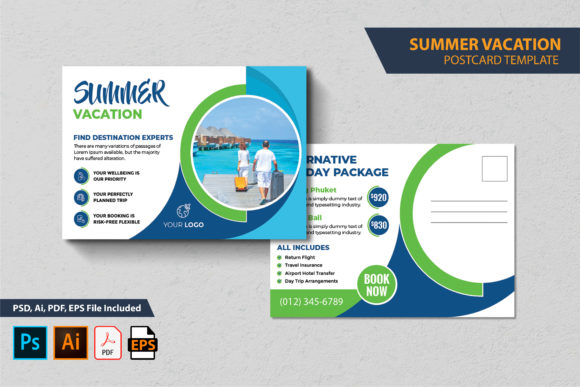
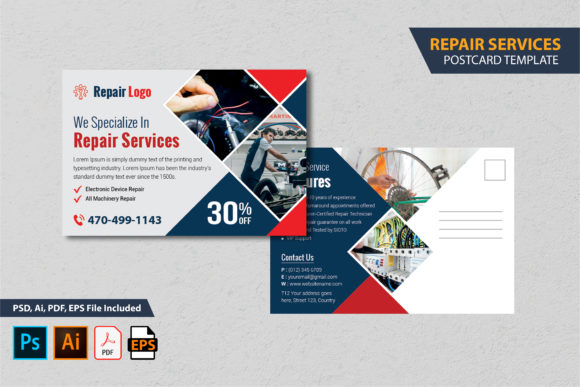
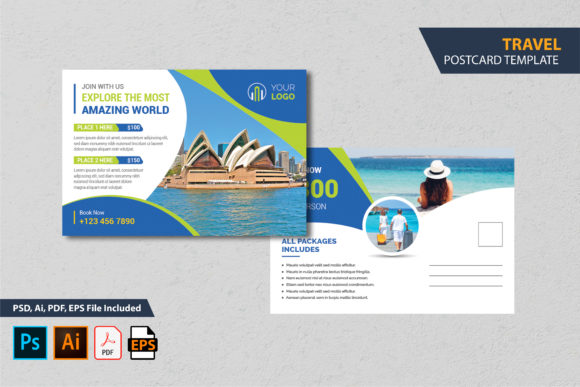
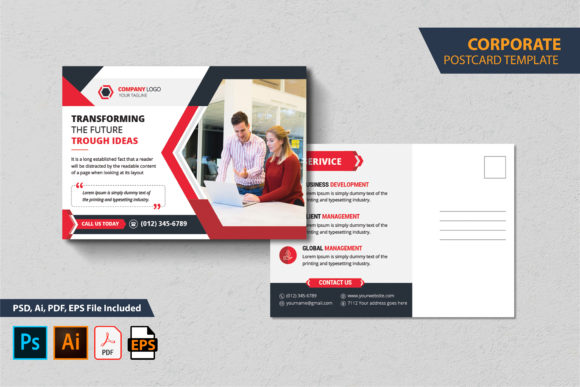
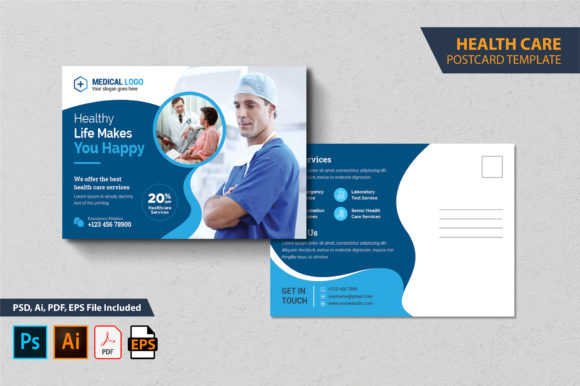
A health care postcard template design is a pre-formatted digital layout that simplifies the creation of printed or digital postcards tailored for the health care sector. It includes placeholders for text, images, logos, and other branding elements, allowing users to customize the content while maintaining a cohesive and aesthetically pleasing design.
These templates typically come in high-resolution formats like PSD, AI, EPS, and PDF, ensuring they’re ready for both digital use and print production. With features such as 300 DPI resolution, CMYK color mode, and full layer editability, they offer flexibility and precision for businesses looking to maintain brand consistency across their outreach materials.
Where Does It Fit Into a Broader Process?
Designing a postcard might seem like a small part of a larger marketing or outreach strategy, but it plays a critical role in engaging your audience effectively. The process usually begins during the planning phase of a campaign, where messaging goals are defined. Once those are set, a health care postcard template design becomes an integral tool for executing the visual aspect quickly and efficiently.
For instance, before launching a community health seminar, a clinic might need to send out invitations. Instead of starting from scratch, using a well-structured template ensures the postcard aligns with the event’s purpose and reflects the organization's identity. During this stage, the designer or marketer simply updates the text, adds relevant imagery, and adjusts colors to match the existing branding guidelines.
Using the Template Before, During, and After a Project
The versatility of a health care postcard template design allows it to be used at various points in a project lifecycle:
- Before a project: Use the template to craft introductory messages, such as announcing a new initiative or inviting stakeholders to participate in a health awareness program.
- During a project: Send progress updates, share key milestones, or provide educational tips related to the ongoing work. For example, a dental clinic could use postcards to remind patients about upcoming check-ups or hygiene practices.
- After a project: Distribute thank-you cards, survey requests, or feedback forms. This helps reinforce positive relationships and encourages continued engagement with your services.
By integrating the template into these phases, teams can maintain consistent messaging and reduce the time spent on repetitive design tasks. This efficiency is particularly beneficial for organizations managing multiple campaigns or seasonal promotions.
How It Interacts with Other Tools and Resources
A health care postcard template design doesn’t exist in isolation. It works best when combined with other tools and resources in your workflow:
- Email Marketing Platforms: Once the postcard is finalized, you can scan it or convert it to a digital format to include in email newsletters or follow-up communications.
- Social Media Scheduling Tools: Some templates can be adapted for online use by resizing them to fit social media dimensions, making it easier to repurpose content across channels.
- CRM Systems: If your business uses customer relationship management software, postcards can be generated based on data segments—like appointment reminders for specific patient groups.
- Print Services: Many printing companies accept AI or PDF files directly, so having a print-ready template eliminates the need for back-and-forth revisions and ensures a smooth production process.
Additionally, the “Read Me” file included in most template packages acts as a helpful guide, showing how each element can be modified. This makes collaboration between designers, marketers, and healthcare providers more seamless, as everyone understands what components are editable and which should remain unchanged.
Practical Implementation Tips
Here are some actionable steps to maximize the value of your health care postcard template design:
- Plan Your Message: Before opening the template, outline the key information you want to convey. Decide on the headline, supporting details, call to action, and any necessary disclaimers.
- Customize with Care: Replace placeholder text with your actual content. Ensure font sizes and styles remain legible and professional. Avoid overloading the postcard with too much information.
- Use High-Quality Images: While mockups and photos aren't included in the main file, selecting appropriate visuals from your own library or stock image sites will enhance the overall impact of the postcard.
- Test Print Samples: If the postcard is intended for physical distribution, always print a sample before mass-producing it. This helps catch any alignment issues or color inconsistencies early.
- Track Outcomes: If using the postcard as part of a broader campaign, consider including a QR code or unique URL. This allows you to track responses and measure the effectiveness of your outreach efforts.
Workflow Examples in Real-Life Scenarios
Let’s explore a few real-world examples of how a health care postcard template design can be applied:
Example 1: Seasonal Wellness Campaign
A wellness center wants to promote a fall fitness challenge. They start by drafting the core message and identifying the target audience. Using the template, they add event dates, registration instructions, and a motivational quote. The postcard is then printed and mailed to local residents. The same design is also adapted for a digital version shared on Facebook and Instagram to reach a wider demographic.
Example 2: Appointment Reminders
A private practice sends out postcards to patients reminding them of scheduled appointments. By using the template, the office staff can easily insert patient names, appointment times, and clinic addresses. This personalization improves response rates and reduces no-shows. The template is reused monthly with minor adjustments, ensuring a uniform look across all mailings.
Example 3: Community Outreach Event
A hospital organizes a free health screening day. The marketing team creates a postcard using the template to invite seniors from nearby neighborhoods. The postcard includes directions, event highlights, and contact information. Later, the same design is used to thank participants and request feedback after the event concludes.
Factors to Consider When Preparing and Using a Template
To ensure the best results from your health care postcard template design, consider the following factors during preparation and implementation:
- Preparation: Gather all necessary assets (logos, images, brochures) before beginning the customization process. This avoids delays and keeps the workflow moving smoothly.
- Compatibility: Make sure your design software matches the requirements listed in the template. Most require Adobe Illustrator or Photoshop CS through CC 2020. If you’re using older versions, confirm compatibility beforehand.
- Usability: Choose a template that’s intuitive and user-friendly. A fully layered and editable design means you won’t need to ungroup complex shapes or trace fonts manually.
- Organization: Keep your edited files organized by date, campaign name, or client. This makes future edits or reuse straightforward and minimizes confusion.
- Efficiency: Use the template consistently across similar projects. This saves time and effort, especially when dealing with recurring events or promotional cycles.
- Consistency: Maintain brand standards by using the same fonts, colors, and logos across all postcards. This builds trust and recognition among your audience.
- Quality Control: Always proofread the final design. Even small typos or formatting errors can undermine professionalism and credibility.
- Long-Term Use: Store original files securely and update them periodically to reflect changes in services, pricing, or branding. This extends the life of the template and keeps your outreach current.
Integrating the Template Into Your Routine
Whether you're a small clinic owner, a freelance graphic designer, or a nonprofit health advocate, integrating a health care postcard template design into your routine can simplify your workflow and improve your output. Start by identifying the most common types of postcards your business sends. Then, choose a template that fits those needs and keep it readily available in your design library.
If you're working with a team, assign one person to manage the templates. That way, there’s a single point of reference for updates and modifications, reducing redundancy and improving collaboration. Also, make sure to document any customizations or preferences in the “Read Me” file so others can follow suit.
Conclusion
A health care postcard template design is more than just a visual aid—it's a strategic asset that supports communication, promotes engagement, and enhances professionalism. When used thoughtfully within a structured workflow, it can significantly reduce the time and effort required to produce impactful outreach materials. From pre-planning stages to post-event follow-ups, the template adapts to different needs, ensuring your message reaches the right people at the right time.
By focusing on clarity, usability, and integration with other tools, you can turn a simple design resource into a powerful part of your health care outreach strategy.